
Sports Injuries
Sports injuries are very common and can be broadly divided into two categories. Some injuries are ‘acute’ where something tears or breaks and ‘chronic injuries which are usually from overuse or a repetitive strain.
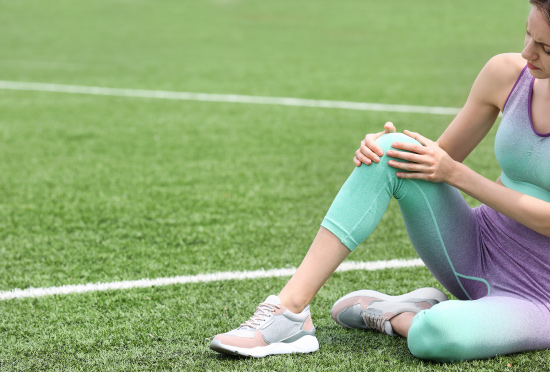
If a joint or limb swells immediately following an incident it is likely something has torn or a piece cartilage or bone has broken. This is usually a serious injury and accompanied by loss of function (unable to continue the sport) and pain. We’d recommend rest, ice and elevation (RICE) initially followed by advice from your GP, a qualified physiotherapist or ourselves.
If the joint or limb becomes stiff, painful or swollen the day after sport this is usually a less serious problem. Immediate assessment/treatment is therefore not always urgent but recommended if this is happening repeatedly despite rest. If a recurrent problem is happening, an x-ray and/or an MRI scan maybe indicated to ensure no permanent damage is occurring with continued activity.
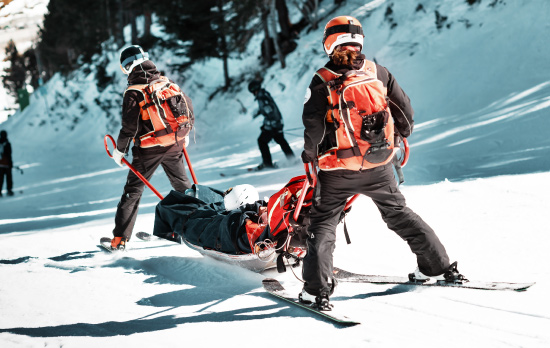
In the winter months we see many patients who have had an injury whilst skiing or snowboarding. Often these injuries have been treated already with some patients having had surgery immediately in the ski resort. Early follow-up (within 1-2 weeks) once back home is highly recommended. This is to ensure that you are following the correct rehabilitation protocol and that the wounds and or fractures are healing. Please bring with you all available X-rays and the notes from the treatment centre if you have them.
The knee is particularly vulnerable to skiing injuries due to the huge forces created by the lever arm of the length of the ski. If you have injured your knee skiing and the binding did not release proper assessment with an MRI scan is recommended as anterior cruciate ligament (ACL) rupture commonly occurs with this mechanism.
Sports Injuries
Sports injuries are very common and can be broadly divided into two categories. Some injuries are ‘acute’ where something tears or breaks and ‘chronic injuries which are usually from overuse or a repetitive strain.
If a joint or limb swells immediately following an incident it is likely something has torn or a piece cartilage or bone has broken. This is usually a serious injury and accompanied by loss of function (unable to continue the sport) and pain. We’d recommend rest, ice and elevation (RICE) initially followed by advice from your GP, a qualified physiotherapist or ourselves.
If the joint or limb becomes stiff, painful or swollen the day after sport this is usually a less serious problem. Immediate assessment/treatment is therefore not always urgent but recommended if this is happening repeatedly despite rest. If a recurrent problem is happening, an x-ray and/or an MRI scan maybe indicated to ensure no permanent damage is occurring with continued activity.
In the winter months we see many patients who have had an injury whilst skiing or snowboarding. Often these injuries have been treated already with some patients having had surgery immediately in the ski resort. Early follow-up (within 1-2 weeks) once back home is highly recommended. This is to ensure that you are following the correct rehabilitation protocol and that the wounds and or fractures are healing. Please bring with you all available X-rays and the notes from the treatment centre if you have them.
The knee is particularly vulnerable to skiing injuries due to the huge forces created by the lever arm of the length of the ski. If you have injured your knee skiing and the binding did not release proper assessment with an MRI scan is recommended as anterior cruciate ligament (ACL) rupture commonly occurs with this mechanism.
Fractures
Fractures in the UK are mostly treated by the NHS after referral through Emergency Department. Some fractures require immediate fixation due to the compromise of the other structures around the bones such as nerves and blood vessels. Other fractures are ‘stable’ initially and can be held in a brace or plaster until surgery. Fracture healing initially happens slowly and in adults with stable fractures there is little or no new bone formation in the first 1-2 weeks.
Fractures fixation therefore does not need to go ahead straight away and can be planned. All three of our surgeons have aligned NHS practices in trauma and have a broad training in fracture fixation of bones all over the body and if you would like to consider having your treatment in the private sector this can usually be arranged.
The Parkside Suite – is the private wing of Wexham Park Hospital. If you have been seen in Emergency Department already and have been admitted to the hospital as inpatient and would like to be transferred to the Paragon Suite please discuss with the on-call doctors, ward sister or telephone us directly for advice.
Fractures
Fractures in the UK are mostly treated by the NHS after referral through Emergency Department. Some fractures require immediate fixation due to the compromise of the other structures around the bones such as nerves and blood vessels. Other fractures are ‘stable’ initially and can be held in a brace or plaster until surgery. Fracture healing initially happens slowly and in adults with stable fractures there is little or no new bone formation in the first 1-2 weeks.
Fractures fixation therefore does not need to go ahead straight away and can be planned. All three of our surgeons have aligned NHS practices in trauma and have a broad training in fracture fixation of bones all over the body and if you would like to consider having your treatment in the private sector this can usually be arranged.
The Parkside Suite – is the private wing of Wexham Park Hospital. If you have been seen in Emergency Department already and have been admitted to the hospital as inpatient and would like to be transferred to the Paragon Suite please discuss with the on-call doctors, ward sister or telephone us directly for advice.
Fracture Fixation
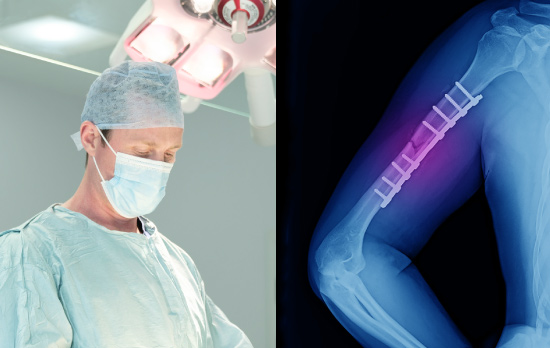
Fracture fixation surgery usually involves implantation of metalwork into or alongside the bones. Once the bone has healed the metal screws and plates are essentially redundant and the strength in the bone returns. In some cases orthopaedic surgeons choose to perform a second operation to your arm or leg to remove this metal.
This does however come with risks as it is usually involves another anaesthetic and the small chance of damaging the body’s tissues particularly nerves and arteries. Thus, in many cases the metalwork is left in. The implants have usually been designed to be ‘low profile’ thus not impeding the function of the muscles and tendons of the limbs and joints.
Fracture Fixation
Fracture fixation surgery usually involves implantation of metalwork into or alongside the bones. Once the bone has healed the metal screws and plates are essentially redundant and the strength in the bone returns. In some cases orthopaedic surgeons choose to perform a second operation to your arm or leg to remove this metal.
This does however come with risks as it is usually involves another anaesthetic and the small chance of damaging the body’s tissues particularly nerves and arteries. Thus, in many cases the metalwork is left in. The implants have usually been designed to be ‘low profile’ thus not impeding the function of the muscles and tendons of the limbs and joints.
Removal Of Metal Plates
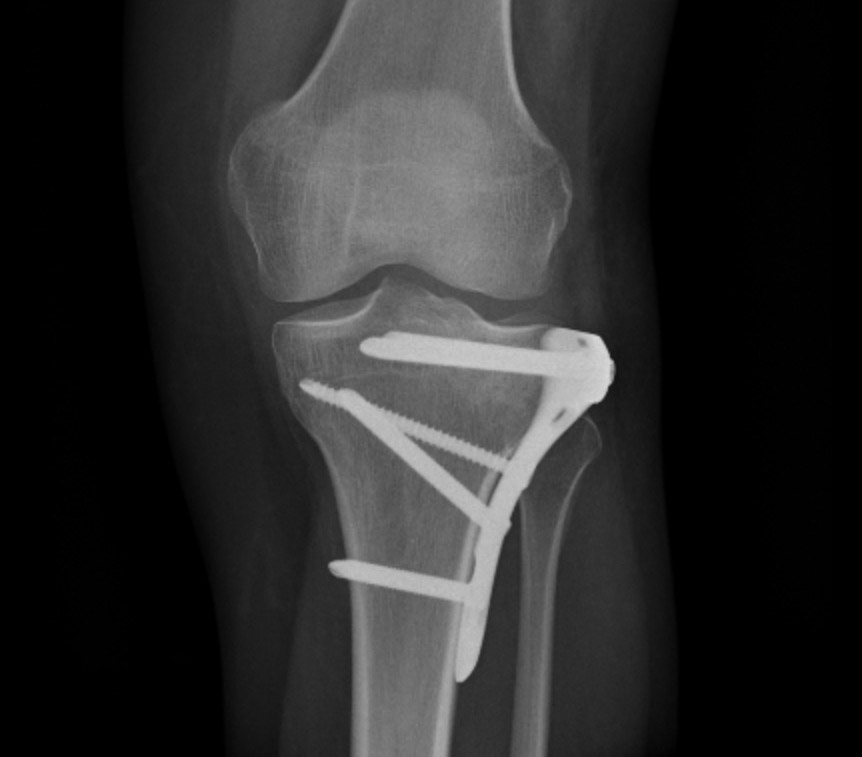
After fracture fixation, metal plates are often left in-situ. Often, they don’t ever cause a problem and you don’t know they are there. They are made of either surgical steel or titanium so they won’t corrode or react with your own tissues so it is completely safe just to leave them where they are.
Sometimes they can be felt under the skin and can rub against clothing or shoes if they around the ankle or foot. Removal of the metal can be done at any time after the fracture has healed. It usually done through the old scar and mostly is a day case general anaesthetic. If you are not sure what has been left in or if you are considering removal of the metal we’d be happy to advise you. It will usually be necessary to take some up-to-date X-rays at your appointment
Removal Of Metal Plates
After fracture fixation, metal plates are often left in-situ. Often, they don’t ever cause a problem and you don’t know they are there. They are made of either surgical steel or titanium so they won’t corrode or react with your own tissues so it is completely safe just to leave them where they are.
Sometimes they can be felt under the skin and can rub against clothing or shoes if they around the ankle or foot. Removal of the metal can be done at any time after the fracture has healed. It usually done through the old scar and mostly is a day case general anaesthetic. If you are not sure what has been left in or if you are considering removal of the metal we’d be happy to advise you. It will usually be necessary to take some up-to-date X-rays at your appointment